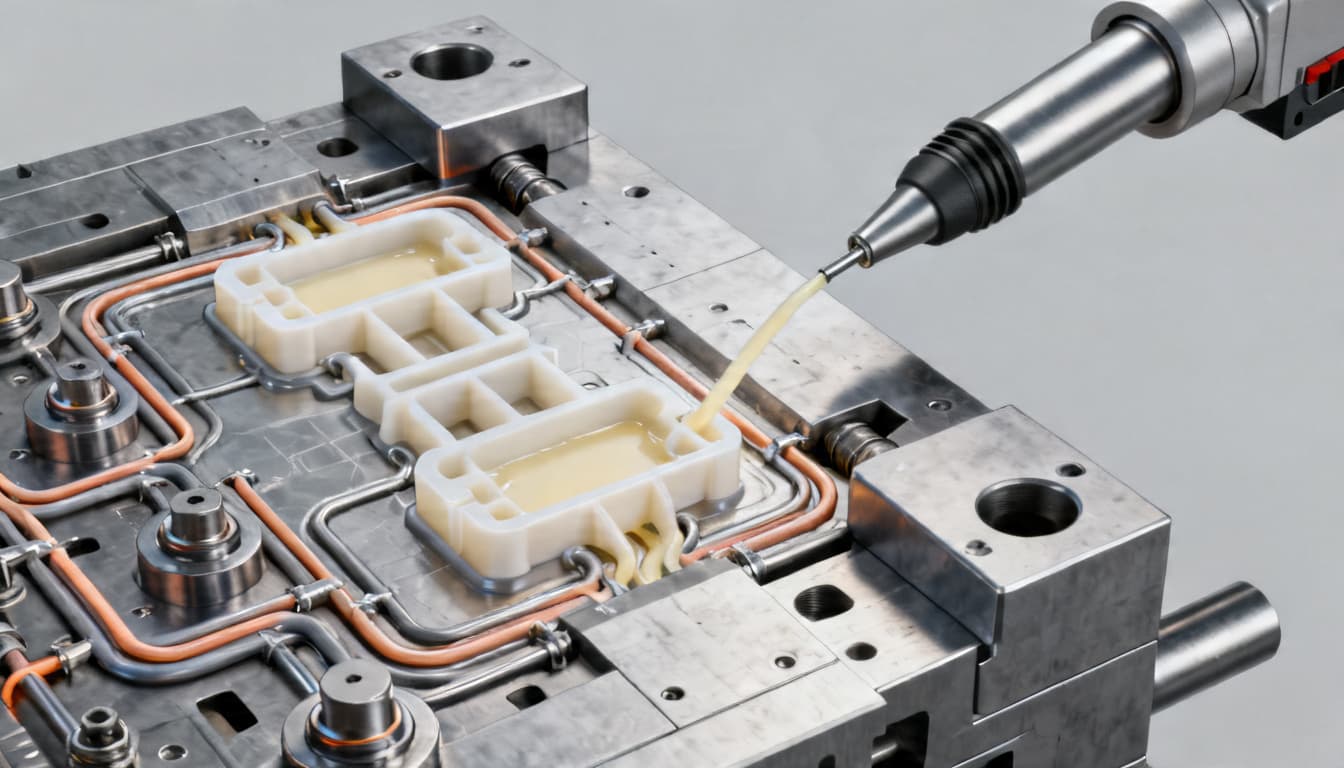
The Advantages and Disadvantages of Hot Runner vs Cold Runner Systems: Real-World Applications
Choosing between hot runner and cold runner systems can be a pivotal decision in injection molding, affecting cost efficiency, cycle times, and product quality. Understanding the nuances of each system can help manufacturers optimize their operations and avoid costly errors. This article delves into
The Advantages and Disadvantages of Hot Runner vs Cold Runner Systems: Real-World Applications
Choosing between hot runner and cold runner systems can be a pivotal decision in injection molding, affecting cost efficiency, cycle times, and product quality. Understanding the nuances of each system can help manufacturers optimize their operations and avoid costly errors. This article delves into the technical aspects of each system, offering real-world insights and practical guidance.
Understanding Hot Runner Systems
Technical Overview
Hot runner systems are designed to maintain the plastic material in a molten state within the mold. This is achieved through heated components that keep the resin at the desired melt temperature, typically ranging from 180°C to 280°C, depending on the material. For instance, Polypropylene (PP) requires a melt temperature of around 220°C, while Polycarbonate (PC) may necessitate temperatures closer to 280°C.
Advantages of Hot Runner Systems
- Reduced Waste: By eliminating the need for runners, material waste is minimized, leading to cost savings.
- Improved Cycle Times: Without the need to cool and eject runners, cycle times can be significantly reduced, often by 15-30%.
- Enhanced Part Quality: Consistent melt flow can improve the surface finish and reduce defects such as sink marks.
Disadvantages of Hot Runner Systems
- Higher Initial Costs: The complexity of hot runner systems results in higher tooling costs, often 30-50% more than cold runner systems.
- Maintenance Challenges: More components increase the risk of breakdowns, requiring skilled maintenance personnel.
Exploring Cold Runner Systems
Technical Overview
Cold runner systems use unheated channels to deliver molten plastic into the mold cavity. The material solidifies in the runner, necessitating its removal after each cycle. Typical mold temperatures range from 20°C to 80°C, with materials like ABS and Nylon (PA66) requiring specific settings for optimal performance.
Advantages of Cold Runner Systems
- Lower Tooling Costs: Cold runner molds are simpler and cheaper to manufacture and maintain.
- Simplicity and Flexibility: Easier to modify and adapt to different part designs and materials.
Disadvantages of Cold Runner Systems
- Increased Material Waste: Runners must be trimmed and discarded, leading to higher material costs.
- Longer Cycle Times: The need to cool and eject runners extends cycle times, potentially impacting production efficiency.
Real-World Applications and Material Considerations
Material Suitability
Different materials respond uniquely to hot and cold runner systems. For example, Thermoplastic Elastomers (TPE) benefit from hot runners due to their sensitivity to temperature variations. Conversely, Acetal (POM) might be better suited to cold runners to avoid thermal degradation.
| Material | Hot Runner Suitability | Cold Runner Suitability |
|---|---|---|
| ABS | Moderate | High |
| PP | High | Moderate |
| PC | High | Low |
| PA66 | Moderate | High |
| POM | Low | High |
Application Scenarios
In high-volume production environments, such as automotive part manufacturing, hot runner systems often provide the best return on investment by reducing cycle times and material waste. On the other hand, for short runs or prototyping, cold runner systems may be more economical due to lower initial costs.
Step-by-Step Guide to Selecting the Right System
- Assess production volume and budget constraints.
- Evaluate material properties and suitability for hot or cold runner systems.
- Consider part design, including wall thickness (1-3mm) and draft angles (0.5-2°).
- Analyze cycle time requirements and potential cost savings from reduced waste.
- Consult with an experienced injection molding provider for tailored advice.
Common Mistakes and Solutions
Defect Prevention
Understanding defect causes is crucial for optimizing injection molding processes. Common issues include warping, sink marks, and voids. For instance, excessive injection pressure can cause warping, particularly in thin-walled parts. Maintaining injection pressures within 800 to 1500 psi can help mitigate this issue.
Design Considerations
Ignoring design rules is a frequent error. Ensure wall thickness is consistent and within recommended ranges to prevent defects. Additionally, incorporating appropriate draft angles facilitates part ejection and reduces the likelihood of surface defects.
Practical Tip: Always conduct a mold flow analysis to predict potential defects and optimize gate locations and runner design.
Conclusion
Both hot and cold runner systems offer unique advantages and challenges. The choice between them should be informed by production requirements, material characteristics, and budgetary constraints. By understanding the technical parameters and real-world applications, manufacturers can make informed decisions that enhance efficiency and product quality. For personalized advice and to explore how these systems can benefit your operations, get a free quote from Panda Molding today.