The Crucial Role of Gate Design: How It Impacts Flow and Quality in Injection Molding
In the complex world of injection molding, gate design is often the unsung hero that determines the success or failure of a project. A poorly designed gate can lead to defects, increased cycle times, and compromised product quality. Understanding the nuances of gate design is essential for optimizin
The Crucial Role of Gate Design: How It Impacts Flow and Quality in Injection Molding
In the complex world of injection molding, gate design is often the unsung hero that determines the success or failure of a project. A poorly designed gate can lead to defects, increased cycle times, and compromised product quality. Understanding the nuances of gate design is essential for optimizing flow and ensuring high-quality output.
The Fundamentals of Gate Design
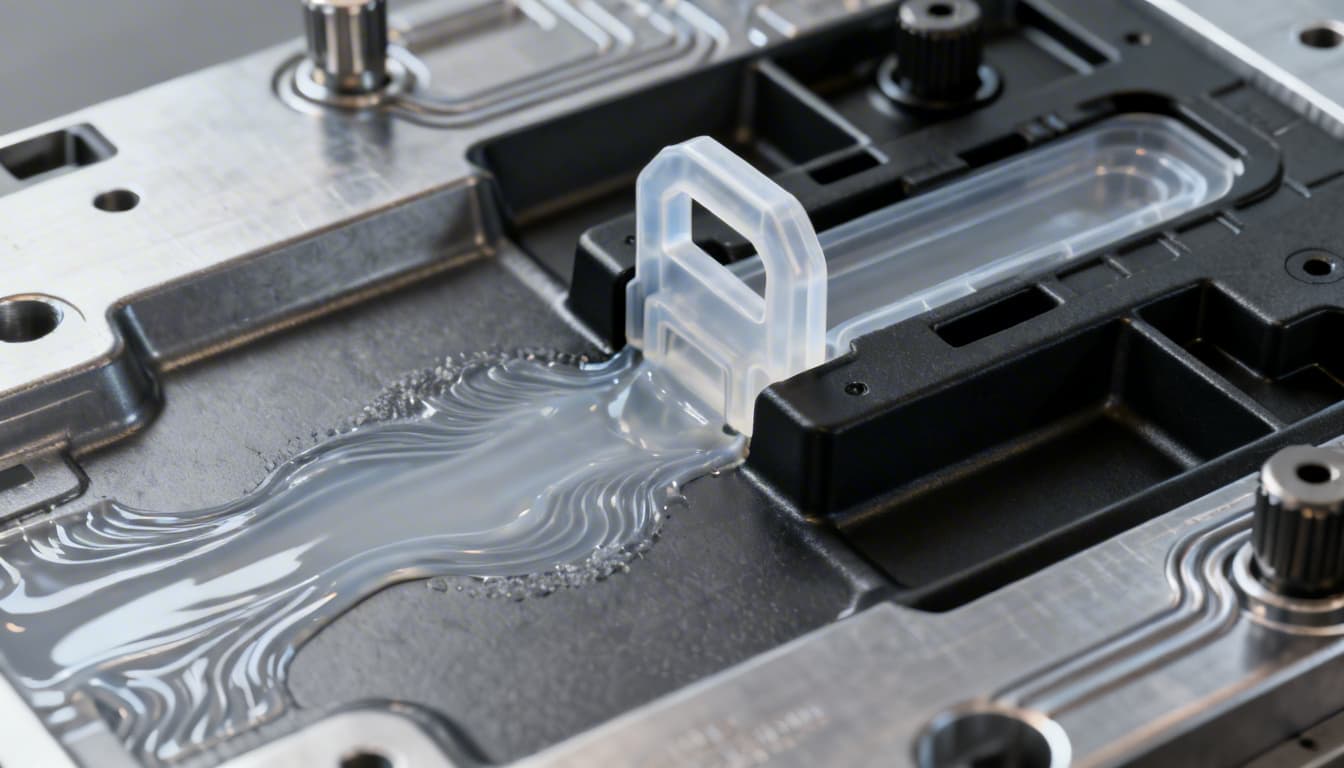
Gate design is a critical component of the injection molding process, as it controls the flow of molten plastic into the mold cavity. The gate must be designed to ensure smooth flow while minimizing pressure loss, shear stress, and potential for defects.
Types of Gates
Different gate types offer unique benefits and are selected based on the specific requirements of the part being molded. Common gate types include:
- Edge Gate: Ideal for flat parts, this gate type is easy to machine and modify.
- Submarine Gate: Located below the parting line, it provides a clean finish and is suited for automated processes.
- Pin Gate: Used in multi-cavity molds, it offers uniform filling and is often employed for smaller parts.
Key Parameters
When designing a gate, several parameters must be considered:
- Gate Size: Typically ranges from 0.5mm to 1.5mm, depending on the material and part size.
- Location: Should be strategically placed to ensure balanced flow and minimize weld lines.
- Geometry: The shape of the gate affects the flow rate and pressure distribution.
Impact on Flow and Quality
Flow Dynamics
The gate design directly influences the flow dynamics of the molten plastic. An optimized gate ensures uniform flow, reducing the risk of air entrapment and incomplete filling.
| Gate Type | Flow Rate (cm³/s) | Common Applications |
|---|---|---|
| Edge Gate | 30-50 | Flat, thin-walled parts |
| Submarine Gate | 20-40 | Automotive components |
| Pin Gate | 10-25 | Small precision parts |
Quality Considerations
Gate design affects the quality of the final product in several ways:
- Surface Finish: Proper gate placement minimizes surface defects and weld lines.
- Mechanical Properties: Balanced flow ensures uniform mechanical properties across the part.
- Dimensional Accuracy: Consistent pressure distribution prevents warping and shrinkage.
Material Considerations
Comparing Material Flow Characteristics
Different materials have varying flow characteristics, which must be considered during gate design. For instance, ABS typically requires a higher melt temperature (220-250°C) compared to polypropylene (PP) (180-230°C).
| Material | Melt Temperature (°C) | Injection Pressure (MPa) |
|---|---|---|
| ABS | 220-250 | 60-100 |
| PP | 180-230 | 50-80 |
| PC | 270-320 | 80-120 |
Material-Specific Gate Design
For materials like polycarbonate (PC), a larger gate may be necessary to accommodate higher viscosity and ensure complete filling. Conversely, thermoplastic elastomers (TPE) may benefit from smaller gates to prevent overpacking and flashing.
Common Gate Design Mistakes and Solutions
Mistake #1: Improper Gate Size
Using a gate that is too small can restrict flow and increase shear stress, leading to burn marks and degradation. Conversely, an oversized gate can result in excessive cycle times and material wastage.
Mistake #2: Poor Location
Placing the gate in a suboptimal location can cause weld lines, air traps, and uneven flow. It is crucial to conduct flow simulations to determine the best gate location.
Solutions
- Conduct thorough flow analysis using simulation software.
- Iteratively test different gate sizes and locations.
- Collaborate with material suppliers for specific recommendations.
Optimizing Gate Design: A Step-by-Step Guide
- Define Part Requirements: Understand the mechanical, aesthetic, and functional requirements of the part.
- Select Material: Choose a material that aligns with part requirements and consider its flow characteristics.
- Choose Gate Type: Based on part geometry and production volume, select an appropriate gate type.
- Determine Gate Size and Location: Use flow simulation software to optimize gate size and placement.
- Prototype and Test: Create prototypes to validate the design and make necessary adjustments.
Practical Tip: Always validate gate design with a prototype before full-scale production to avoid costly rework and defects.
Conclusion: Key Takeaways for Gate Design in Injection Molding
Gate design is a pivotal element in the injection molding process that significantly impacts flow and product quality. By carefully considering gate type, size, location, and material-specific characteristics, manufacturers can optimize their processes to produce high-quality parts efficiently. For expert assistance in achieving optimal gate design, consider reaching out to professional services like Panda Molding for a free quote.