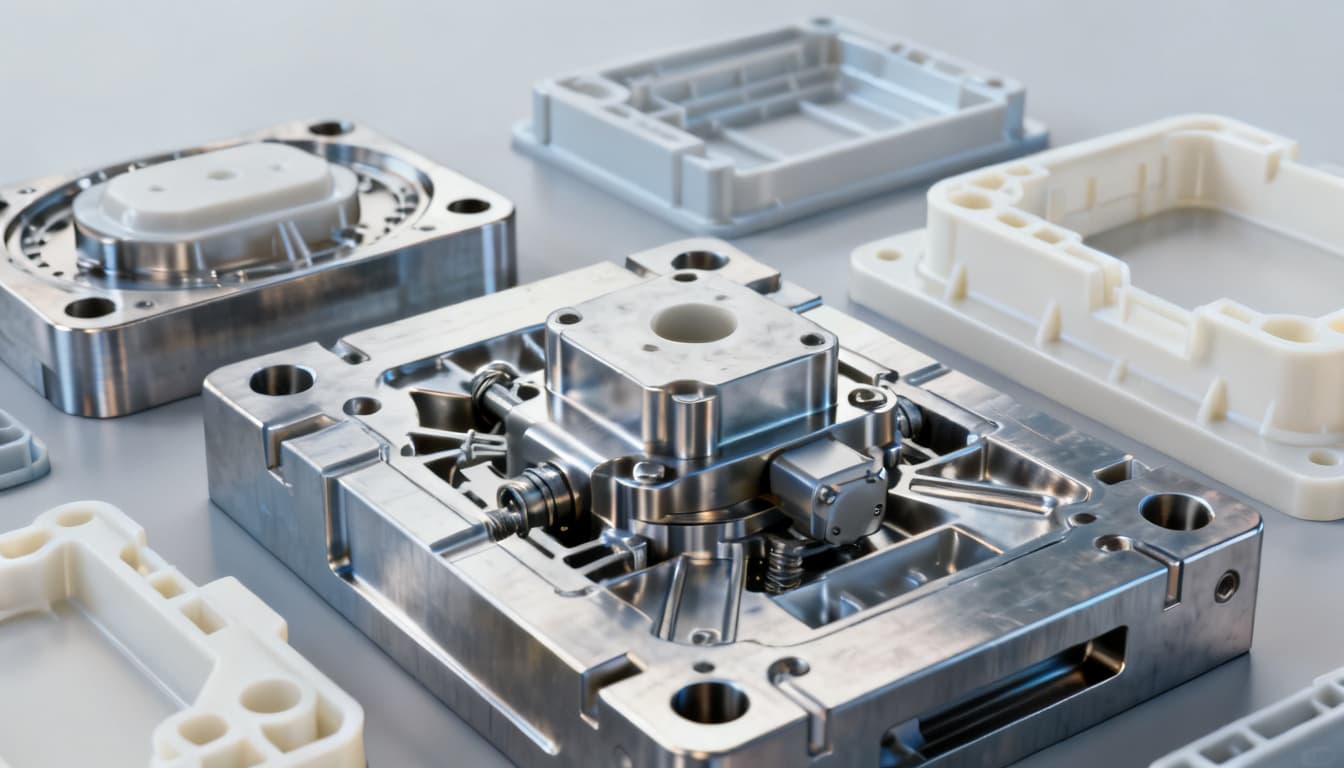
The Engineer's Handbook to Plastic Materials: ABS, PC, PP, and PA for Optimal Injection Molding Results
Imagine the frustration of a product launch delayed due to unexpected material failures or defects in your molded parts. As a seasoned injection molding engineer, I've seen firsthand how selecting the right plastic material can make or break a project. In this guide, we'll delve into the intricacies
The Engineer's Handbook to Plastic Materials: ABS, PC, PP, and PA for Optimal Injection Molding Results
Imagine the frustration of a product launch delayed due to unexpected material failures or defects in your molded parts. As a seasoned injection molding engineer, I've seen firsthand how selecting the right plastic material can make or break a project. In this guide, we'll delve into the intricacies of working with ABS, PC, PP, and PA, ensuring you achieve optimal results in your injection molding processes.
Understanding the Key Properties of Plastic Materials
ABS (Acrylonitrile Butadiene Styrene)
ABS is renowned for its toughness and impact resistance, making it a popular choice in automotive and consumer electronics. Its melt temperature ranges from 210°C to 250°C, and it requires a mold temperature between 50°C and 80°C.
PC (Polycarbonate)
Polycarbonate offers exceptional clarity and high impact resistance. It is commonly used in optical applications. The melt temperature for PC is typically between 260°C and 300°C, with mold temperatures set between 80°C and 120°C.
PP (Polypropylene)
Polypropylene is valued for its chemical resistance and flexibility. It is often utilized in packaging and automotive components. Its melt temperature varies from 200°C to 250°C, while the mold temperature should be maintained between 10°C and 50°C.
PA (Polyamide, Nylon)
PA, particularly PA66, is known for its strength and thermal resistance, making it suitable for high-performance applications. Typical processing involves melt temperatures from 260°C to 290°C and mold temperatures from 70°C to 120°C.
Comparing Material Performance: A Data-Driven Approach
| Material | Impact Strength (kJ/m²) | Tensile Strength (MPa) | Elongation at Break (%) | Density (g/cm³) |
|---|---|---|---|---|
| ABS | 15-20 | 40-60 | 10-50 | 1.04 |
| PC | 70-100 | 55-75 | 100-150 | 1.20 |
| PP | 5-10 | 30-40 | 200-700 | 0.90 |
| PA | 50-80 | 70-90 | 20-80 | 1.14 |
Optimizing Injection Molding Parameters
Cycle Time and Efficiency
Cycle time is a critical factor in maximizing production efficiency. For instance, ABS typically has a cycle time of 30-60 seconds, while PC may require longer due to its higher viscosity.
Injection Pressure and Speed
Proper injection pressure is crucial to avoid defects such as short shots or flash. ABS typically requires 70-140 MPa, while PC may need up to 150 MPa due to its higher melt viscosity.
Common Defects and Troubleshooting
Warping and Shrinkage
Materials like PP are prone to warping due to their semi-crystalline nature. To mitigate this, ensure uniform cooling and consider design adjustments such as rib placement.
Surface Defects
Surface defects like splay or burn marks are often caused by improper venting or excessive injection speed. Adjusting these parameters can significantly reduce such issues.
Design Considerations for Successful Molding
Wall Thickness and Uniformity
Maintaining a uniform wall thickness between 1-3mm is essential to prevent sink marks and ensure consistent cooling.
Draft Angles
Incorporate draft angles of 0.5° to 2° to facilitate part ejection and reduce the risk of part damage.
Cost Considerations
| Material | Raw Material Cost ($/kg) | Processing Cost ($/kg) | Total Cost ($/kg) |
|---|---|---|---|
| ABS | 2.00 | 1.50 | 3.50 |
| PC | 4.00 | 2.00 | 6.00 |
| PP | 1.20 | 1.00 | 2.20 |
| PA | 3.00 | 1.80 | 4.80 |
Step-by-Step Process for Material Selection
- Identify the application requirements (mechanical, thermal, optical).
- Match the requirements with material properties using the comparison table.
- Consider processing parameters and equipment capabilities.
- Evaluate cost implications and budget constraints.
- Conduct small-scale trials to validate material performance.
Practical Tip: Always conduct a detailed DFM (Design for Manufacturing) analysis before finalizing your material choice to anticipate potential manufacturing challenges.
Conclusion
The choice of plastic material in injection molding is paramount to the success of your project. By understanding the properties and processing requirements of ABS, PC, PP, and PA, you can optimize your production process, reduce defects, and ensure high-quality outcomes. Remember, the key to successful injection molding lies in balancing material properties, processing parameters, and cost considerations. For professional assistance with your molding needs, get a free quote from Panda Molding today.