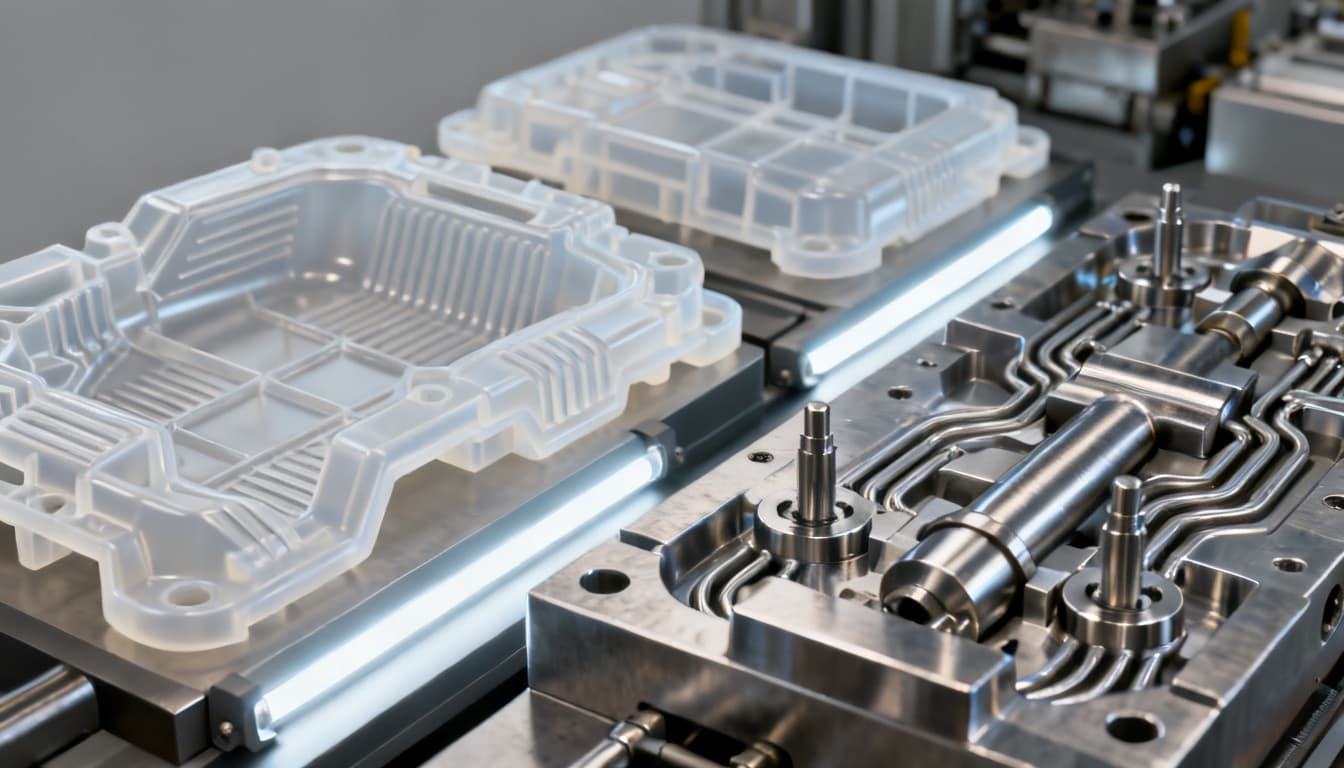
The Future of Automotive Parts: Innovations in Injection Molding for High-Performance Plastic Components
The automotive industry is at a pivotal moment, driven by the need for lightweight, durable, and cost-effective components. Injection molding, a cornerstone of manufacturing, is evolving to meet these demands with innovative materials and processes. This article explores how advancements in injectio
The Future of Automotive Parts: Innovations in Injection Molding for High-Performance Plastic Components
The automotive industry is at a pivotal moment, driven by the need for lightweight, durable, and cost-effective components. Injection molding, a cornerstone of manufacturing, is evolving to meet these demands with innovative materials and processes. This article explores how advancements in injection molding are shaping the future of automotive parts, focusing on high-performance plastics.
Advancements in Material Science
High-Performance Polymers
In recent years, high-performance polymers such as Polyamide 66 (PA66), Polycarbonate (PC), and Thermoplastic Elastomers (TPE) have gained traction in automotive applications. These materials offer excellent strength-to-weight ratios, thermal stability, and chemical resistance.
| Material | Melting Temperature (°C) | Tensile Strength (MPa) | Applications |
|---|---|---|---|
| PA66 | 255-265 | 70-90 | Engine covers, air intake manifolds |
| PC | 260-270 | 60-70 | Headlamp lenses, interior components |
| TPE | 180-220 | 5-30 | Seals, gaskets, flexible parts |
Material Selection Considerations
Choosing the right material involves understanding the specific requirements of the part, such as mechanical properties, environmental exposure, and regulatory compliance. For instance, PA66 is preferred for its high thermal resistance, while TPE is chosen for flexibility.
Innovative Processing Techniques
Advanced Injection Molding Parameters
Optimizing injection molding parameters is crucial for producing high-quality components. Typical parameters include:
- Melt Temperature: 200-300°C, depending on the polymer
- Mold Temperature: 60-100°C for optimal cooling
- Injection Pressure: 700-1500 bar to ensure complete cavity fill
- Cycle Time: 30-90 seconds, balancing speed and quality
Reducing Defects
Common defects such as warping, sink marks, and voids can be minimized by precise control of processing conditions. For example, maintaining a consistent mold temperature within ±2°C can significantly reduce warping.
Design Innovations for Automotive Parts
Design for Manufacturability (DFM)
DFM principles are critical in injection molding, ensuring that parts are designed for ease of manufacturing without compromising functionality.
- Wall Thickness: Aim for uniform thickness between 1-3mm to prevent warping and ensure even cooling.
- Draft Angles: A draft angle of 0.5-2° is recommended to facilitate part ejection.
Integrating Functional Features
Modern design approaches integrate multiple functions into a single component, reducing assembly costs and weight. For instance, integrating clips and fasteners directly into the part design.
Environmental and Economic Considerations
Sustainability in Injection Molding
The push for sustainability in automotive manufacturing is influencing material selection and process optimization. Recyclable materials and energy-efficient machines are becoming standard.
Cost-Benefit Analysis
While high-performance materials can be more expensive upfront, their durability and performance often result in long-term cost savings. A detailed cost-benefit analysis should consider:
| Factor | Cost Impact | Benefit |
|---|---|---|
| Material Costs | High | Improved performance |
| Cycle Time Reduction | Medium | Increased throughput |
| Defect Reduction | Low | Lower scrap rates |
Practical Tips for Injection Molding Success
Tip 1: Always conduct a thorough material analysis to match the polymer properties with the part requirements. This prevents costly redesigns and ensures optimal performance.
Tip 2: Use simulation software to predict potential defects and optimize mold design before production.
Tip 3: Implement regular maintenance schedules for molds and machines to prevent unexpected downtimes.
Conclusion
The future of automotive parts manufacturing is bright, with injection molding playing a pivotal role in delivering high-performance plastic components. By leveraging advancements in materials and processing techniques, manufacturers can meet the industry's growing demands for lightweight, durable, and cost-effective parts. As always, careful consideration of design, material selection, and process parameters is crucial to success.
For more information on how injection molding can benefit your automotive projects, get a free quote from Panda Molding's expert team today.