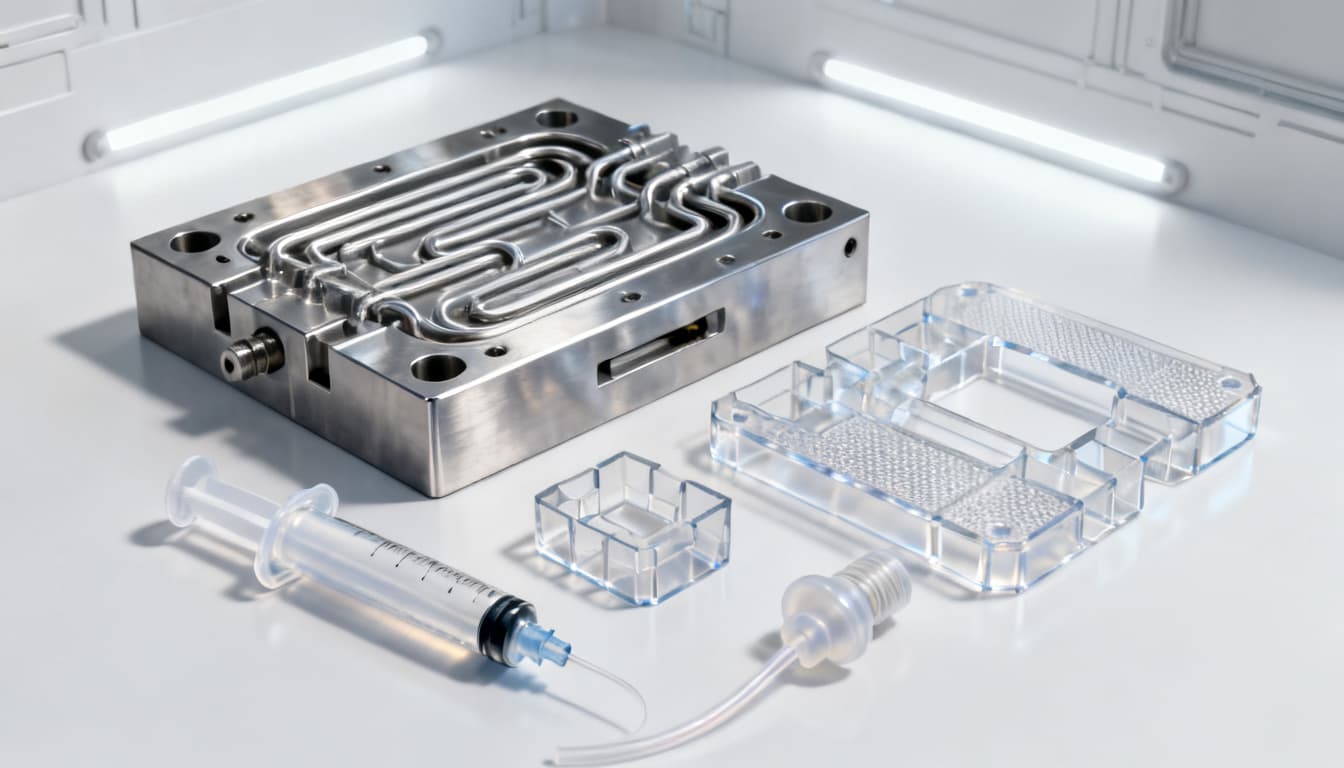
Transforming Medical Device Manufacturing: How Arterex Medical Excels in Injection Molding
The medical device industry demands precision, reliability, and compliance with stringent standards. Injection molding is a critical process that meets these demands, enabling companies like Arterex Medical to excel in delivering high-quality products. This blog post delves into the technical intric
Transforming Medical Device Manufacturing: How Arterex Medical Excels in Injection Molding
The medical device industry demands precision, reliability, and compliance with stringent standards. Injection molding is a critical process that meets these demands, enabling companies like Arterex Medical to excel in delivering high-quality products. This blog post delves into the technical intricacies of injection molding and how Arterex Medical leverages this process to transform medical device manufacturing.
Understanding the Role of Injection Molding in Medical Devices
Injection molding is a manufacturing process that creates complex and precise components essential for medical devices. The process involves injecting molten plastic into a mold, where it cools and solidifies into the final shape. This method is ideal for producing components with tight tolerances and intricate geometries.
Key Injection Molding Parameters
Critical parameters in injection molding include melt temperature, mold temperature, injection pressure, and cycle time. For medical-grade polymers like Polycarbonate (PC) and Polypropylene (PP), maintaining optimal parameters ensures product quality and compliance with industry standards.
| Parameter | Polycarbonate (PC) | Polypropylene (PP) |
|---|---|---|
| Melt Temperature (°C) | 280 - 320 | 200 - 250 |
| Mold Temperature (°C) | 80 - 120 | 40 - 80 |
| Injection Pressure (bar) | 800 - 1500 | 500 - 1000 |
| Cycle Time (seconds) | 30 - 60 | 20 - 40 |
Material Selection for Medical Devices
Choosing the right material is crucial for the functionality and safety of medical devices. Arterex Medical employs a strategic approach to material selection, evaluating properties such as biocompatibility, chemical resistance, and mechanical strength.
Comparing Common Materials
The table below compares key properties of materials frequently used in medical device manufacturing.
| Material | Biocompatibility | Chemical Resistance | Mechanical Strength |
|---|---|---|---|
| Polycarbonate (PC) | High | Moderate | High |
| Polypropylene (PP) | High | High | Moderate |
| Acrylonitrile Butadiene Styrene (ABS) | Moderate | Moderate | High |
Ensuring Quality through Process Control
In the medical device industry, quality control is paramount. Arterex Medical employs rigorous process control measures to ensure the consistency and reliability of its products.
Defect Prevention and Solutions
Common defects in injection molding include warping, sink marks, and flash. These can be mitigated by optimizing process parameters and mold design.
- Warping: Caused by uneven cooling; can be minimized by uniform mold temperature control.
- Sink Marks: Result from inadequate packing pressure; resolved by increasing holding pressure and time.
- Flash: Occurs due to excessive injection pressure; reduced by adjusting clamping force and mold alignment.
Step-by-Step Process for Successful Injection Molding
- Material Selection: Choose materials based on application requirements and compatibility.
- Mold Design: Ensure proper draft angles (0.5-2°) and wall thickness (1-3mm) for optimal part release and strength.
- Parameter Optimization: Set appropriate melt and mold temperatures, injection pressure, and cycle times based on material properties.
- Quality Control: Implement in-process inspections and final product testing to verify compliance with ISO and ASTM standards.
- Continuous Improvement: Analyze production data to identify areas for process enhancement and defect reduction.
Practical Tip: Regularly calibrate molds and machines to maintain precision and reduce the likelihood of defects. Consistent machine maintenance is key to sustaining high-quality production.
Conclusion
Injection molding is a cornerstone of medical device manufacturing, and companies like Arterex Medical excel by mastering the intricacies of this process. By focusing on material selection, process control, and continuous improvement, they ensure the production of reliable and compliant medical devices. For more information on how precision injection molding can enhance your production capabilities, get a free quote from Panda Molding today.
By understanding and applying the principles outlined in this post, manufacturers can achieve exceptional results in medical device production, meeting the high standards of quality and reliability demanded by the industry.