Consumer Appliance Injection Molding
Panda Molding specializes in Consumer Appliance Injection Molding, providing tailored solutions for businesses seeking high-quality, precision-engineered plastic parts. With over 15 years of experience and an ISO9001 certification, we ensure reliable manufacturing that meets industry standards and your specific needs.
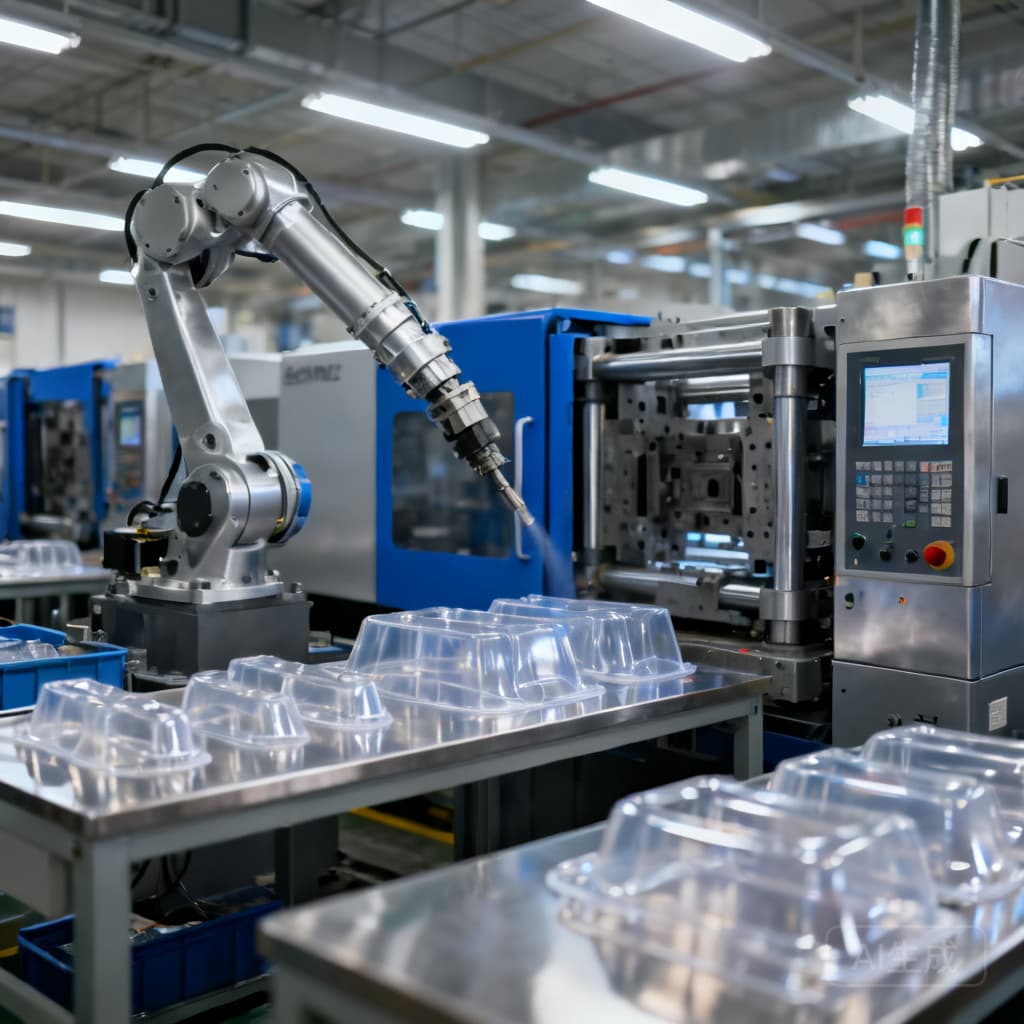
Overview
Consumer Appliance Injection Molding — Custom Injection Molding by Panda Molding
Consumer Appliance Injection Molding is a specialized service designed for manufacturers in the consumer goods sector, requiring high-quality plastic parts that meet strict engineering tolerances and material standards. At Panda Molding, our approach incorporates advanced technologies and a deep understanding of the consumer appliance market, ensuring that we deliver custom solutions that optimize performance and durability. Our expertise in managing shrinkage and cycle time allows us to produce components that fit perfectly into your product designs, while adhering to industry regulations such as RoHS compliance.
Service Capabilities
- Tolerances as tight as ±0.05mm: Ideal for precision components that require an exact fit within consumer appliances.
- Material versatility: We work with a range of plastics including ABS, polycarbonate, and nylon, ensuring compatibility with various applications.
- Advanced tooling techniques: Utilizing state-of-the-art injection molds to enhance production efficiency and reduce cycle time.
- Multi-cavity molds: Cost-effective solutions for high-volume production, enabling rapid output without compromising quality.
- Quality surface finishes: Options for textures and gloss levels to meet aesthetic and functional requirements of consumer products.
Industries & Applications
Our Consumer Appliance Injection Molding services cater to several key industries, including:
- Home Appliances: Manufacturing components for refrigerators, microwaves, and coffee makers, where precision and durability are critical due to high usage rates.
- Consumer Electronics: Producing protective housings and internal components that must withstand thermal and mechanical stresses, ensuring safety and longevity.
- Kitchenware: Creating durable and heat-resistant parts for cooking appliances, requiring materials that can endure high temperatures and frequent cleaning.
- Personal Care Devices: Designing ergonomic and aesthetically pleasing casings that align with consumer expectations for both functionality and design.
Our Injection Molding Process
- Design Validation: Collaborating with clients to review CAD files and ensure designs meet manufacturability and functionality standards.
- Tooling Development: Creating high-precision molds tailored to specific product requirements, optimizing for cycle time and material usage.
- Production Run: Executing injection molding cycles to produce parts while monitoring parameters such as pressure and temperature for consistent quality.
- Post-Production Inspection: Conducting rigorous quality checks, including dimensional inspections and material tests, to guarantee adherence to specifications.
Quality Assurance
Our commitment to quality assurance in Consumer Appliance Injection Molding is underscored by our ISO9001 certification. We implement a comprehensive QA approach that includes dimensional inspections, rigorous material testing, and surface finish evaluations to meet our clients' exacting standards. Our processes align with RoHS compliance, ensuring that our products are safe and environmentally friendly. Functional testing is also performed to verify that all components perform as intended in real-world applications.
Frequently Asked Questions
- Q: What materials are compatible with Consumer Appliance Injection Molding?
- A: We commonly utilize materials such as ABS, polycarbonate, and polypropylene, which provide excellent durability and thermal resistance, ideal for consumer appliances.
- Q: What is the typical lead time?
- A: Prototype development usually takes 2-4 weeks, while production timelines can range from 4-6 weeks, depending on complexity and volume.
- Q: What are the MOQ requirements?
- A: Minimum order quantities vary; we accommodate prototypes with small runs and offer scalable solutions for high-volume production.
Request a Free Quote
Ready to streamline your product development? Upload your CAD files or drawings for a free DFM review and quote today. Enjoy fast turnaround times, dedicated engineering support, and competitive pricing tailored to your project needs.